
Zest AI
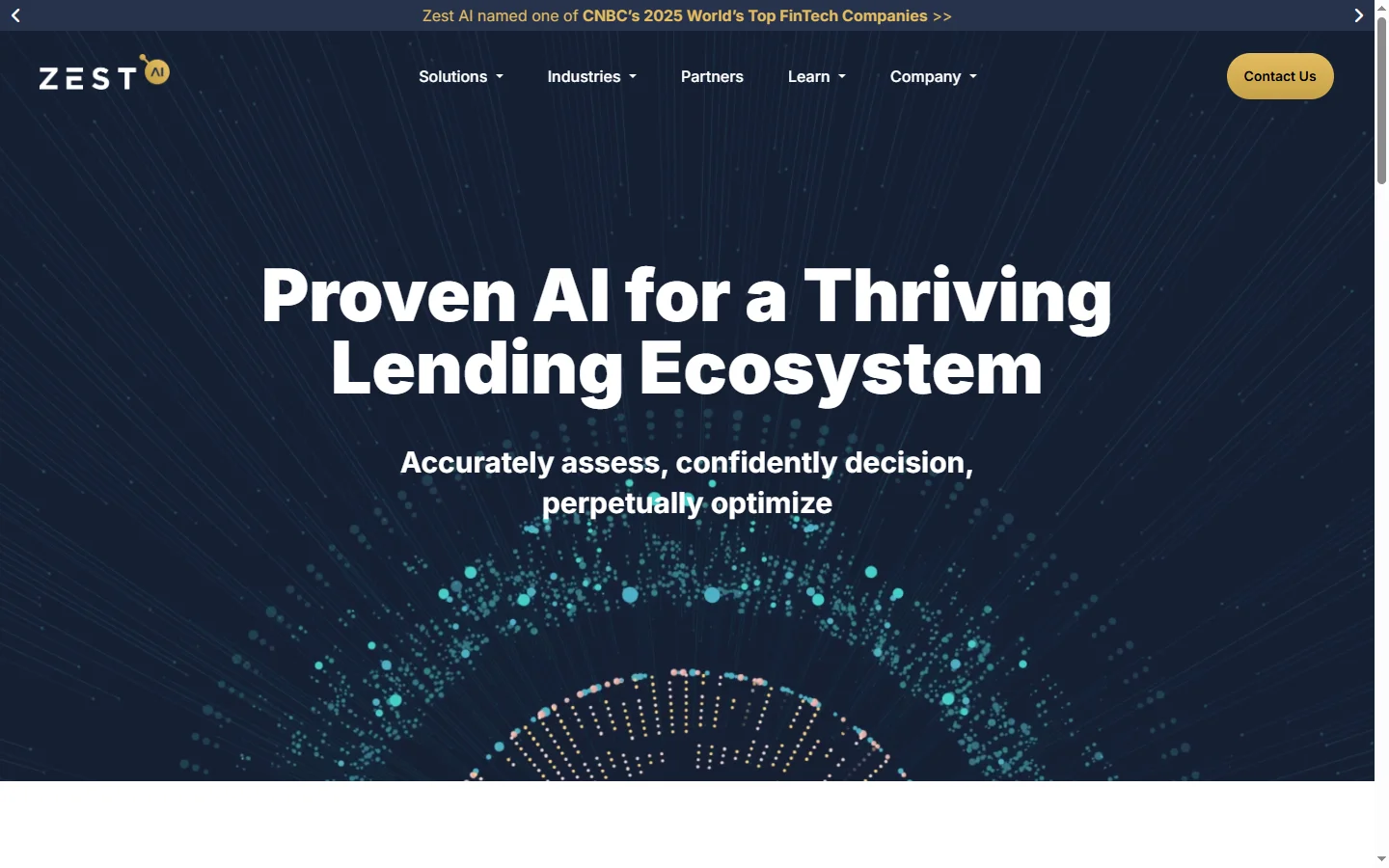
Paid ✓ VerifiedZest AI is an enterprise AI lending platform that helps financial institutions build more accurate credit underwriting models and expand lending to creditworthy borrowers.
📋 About Zest AI
Zest AI is an enterprise software platform that enables banks, credit unions, and other lending institutions to build and deploy machine learning-based credit underwriting models that are more predictive than traditional scorecard-based approaches. The platform is designed to address a well-documented limitation of conventional credit scoring: FICO-based models rely on a narrow set of credit bureau variables that exclude millions of creditworthy borrowers from loan approval, particularly those with thin credit files, recent immigrants, and individuals who have not used mainstream financial products. Zest AI's models incorporate a broader set of predictive variables while maintaining compliance with fair lending requirements.
The platform handles the full ML model development lifecycle for lenders — from data ingestion and feature engineering through model training, validation, and deployment — without requiring the lending institution to have an in-house machine learning team. Zest AI provides the software, the model development methodology, and the regulatory compliance documentation needed to satisfy examiner review of AI-based underwriting decisions. This is a meaningful differentiator from general ML platforms that require lenders to build regulatory compliance capabilities themselves.
Zest AI is specifically built for the regulatory environment that governs US consumer lending, where adverse action notice requirements, fair lending analysis, and model risk management standards create compliance obligations that generic ML platforms do not address. The platform produces the explainability outputs and disparate impact testing results that banking regulators expect to see when examining AI underwriting programs. Lenders using Zest AI report improvements in approval rates, loan performance, and loss rates compared to their prior scorecard-based models.
⚡ Key Features of Zest AI
Machine Learning Credit Underwriting Models
Zest AI builds gradient-boosted and ensemble ML models trained on a lender's historical loan performance data that incorporate hundreds of predictive variables from credit bureau files and internal data sources, producing more accurate risk assessments than traditional scorecard approaches. The models are calibrated to the lender's specific portfolio characteristics and risk appetite rather than being generic industry models applied without customization. Model performance is validated against holdout samples before deployment, with documented lift calculations showing the performance improvement over the baseline scorecard. Lenders retain ownership of their trained models and underlying training data.
Regulatory Compliance Documentation
The platform generates the compliance documentation required for banking examiner review of AI underwriting programs, including model risk management documentation, fair lending analysis, disparate impact testing results, and adverse action reason code mapping. Zest AI is designed specifically for the US consumer lending regulatory environment, so the documentation outputs align with OCC, FDIC, CFPB, and NCUA examination expectations. This is a significant operational advantage for lenders who would otherwise need to build regulatory documentation processes from scratch when transitioning to AI underwriting. Documentation is updated when models are retrained.
Adverse Action Explainability
Zest AI generates human-readable adverse action reason codes for declined applications that satisfy federal requirements for credit decision explanation under the Equal Credit Opportunity Act and Fair Credit Reporting Act. The reason codes identify the specific factors that most negatively affected the credit decision in terms that are meaningful to applicants and comply with regulatory specificity requirements. This replaces the generic reason codes that many ML models cannot produce due to their black-box nature, resolving a key compliance barrier to AI underwriting adoption. Reason code logic is auditable and consistent across all decisions.
Fair Lending and Disparate Impact Analysis
Zest AI conducts automated disparate impact analysis across protected class proxies throughout the model development process, testing whether the model produces differential approval rates or pricing outcomes for protected groups that cannot be justified by credit risk differences. Results are documented and available for examiner review, demonstrating proactive fair lending compliance monitoring rather than reactive response to examination findings. The platform applies Regulation B and ECOA fair lending standards to model evaluation. Lenders can compare their AI model's fair lending profile to their existing scorecard's profile as part of the adoption decision.
Credit Expansion Identification
Zest AI identifies applicants who are declined under the lender's current scorecard but would be creditworthy under the ML model's more nuanced risk assessment, quantifying the incremental loan volume and expected performance of the expanded approval population. This credit expansion analysis allows lenders to understand the business case for AI underwriting adoption in concrete terms before committing to implementation. Thin-file borrowers, recent credit rebuilders, and individuals underserved by traditional credit bureaus are frequently identified as creditworthy by Zest AI models where scorecards would decline them.
Model Monitoring and Performance Tracking
After deployment, Zest AI monitors the production model's performance against expected loss and approval rate benchmarks, detecting drift in application population characteristics or model accuracy that may indicate a need for model refresh. Monitoring dashboards track loan performance by model score band, vintage, and product type so lenders can identify emerging performance issues before they become material. The platform supports model retraining when performance drift reaches defined thresholds, with the validation and compliance documentation cycle repeated for each new model version.
🎯 Use Cases for Zest AI
⚖️ Zest AI Pros & Cons
Advantages
- ✓Regulatory compliance documentation is built into the platform rather than requiring lenders to develop it separately
- ✓Adverse action reason code generation resolves the explainability requirement that blocks many lenders from adopting ML underwriting
- ✓Credit expansion analysis quantifies the business case for adoption in terms of incremental loan volume and expected performance
- ✓Fair lending disparate impact testing is automated and documented throughout the model development process
- ✓Full-service model development means lenders without in-house ML teams can access AI underwriting capabilities
Drawbacks
- ✗Enterprise pricing with no self-service tier — requires direct sales engagement and significant implementation investment
- ✗Model development and validation timelines are measured in months rather than days
- ✗The platform is specific to US consumer lending regulatory requirements and is not designed for international lending markets
- ✗Lenders must provide sufficient historical loan performance data for model training, which may be a barrier for newer institutions
📖 How to Use Zest AI
Contact Zest AI's sales team to discuss your loan portfolio, current underwriting process, and credit expansion or loss reduction objectives.
Provide historical loan application and performance data that the Zest AI team uses to train and validate a model specific to your portfolio.
Review the model validation package, which includes performance lift calculations, fair lending analysis, and adverse action reason code mapping.
Work with your regulatory compliance team and Zest AI to prepare model risk management documentation for examiner review before deployment.
Deploy the model through integration with your loan origination system, with Zest AI's adverse action reason codes replacing or supplementing existing decline explanations.
Monitor production model performance through the Zest AI dashboard and engage the retraining process when performance drift reaches defined thresholds.
❓ Zest AI FAQ
Zest AI is an enterprise lending platform that helps banks, credit unions, and other lenders build and deploy machine learning credit underwriting models that are more accurate than traditional scorecards and include the regulatory compliance documentation required for examiner review in the US lending environment.
Zest AI conducts automated disparate impact analysis across protected class proxies throughout model development and generates documented fair lending analysis that is available for regulatory examination. The platform is designed to satisfy Regulation B and ECOA fair lending standards and produces compliance documentation that aligns with OCC, FDIC, CFPB, and NCUA examination expectations.
Yes. Zest AI generates compliant adverse action reason codes that identify the specific factors driving a credit decline in terms that satisfy ECOA and FCRA disclosure requirements. This is one of the most significant compliance barriers to ML underwriting adoption, and Zest AI's reason code approach is a key differentiator from general-purpose ML platforms.
Zest AI is used by banks, credit unions, auto lenders, personal loan providers, and other consumer lending institutions. It is designed for US-regulated lending environments and is not currently applicable to international lending markets with different regulatory frameworks.
Yes. Zest AI models consistently identify creditworthy applicants who are declined under conventional scorecard underwriting, particularly individuals with thin credit files, recent immigrants, and credit rebuilders whose repayment behavior is more predictable than traditional bureau data suggests. Lenders receive a credit expansion analysis showing the incremental loan volume and expected performance before adoption.
Related to Zest AI

Cred AI
Cred AI financial platform combining a spending account, credit-building tools, and AI financial coaching to help users improve their credit and money management.

Norm AI
Norm AI is an enterprise compliance automation platform that translates regulatory requirements into machine-executable rules and monitors operational gaps in real time.
Featured on WhatIf.ai
Add this badge to your website to show you're listed on WhatIf AI
Alternatives to Zest AI
A2E AI
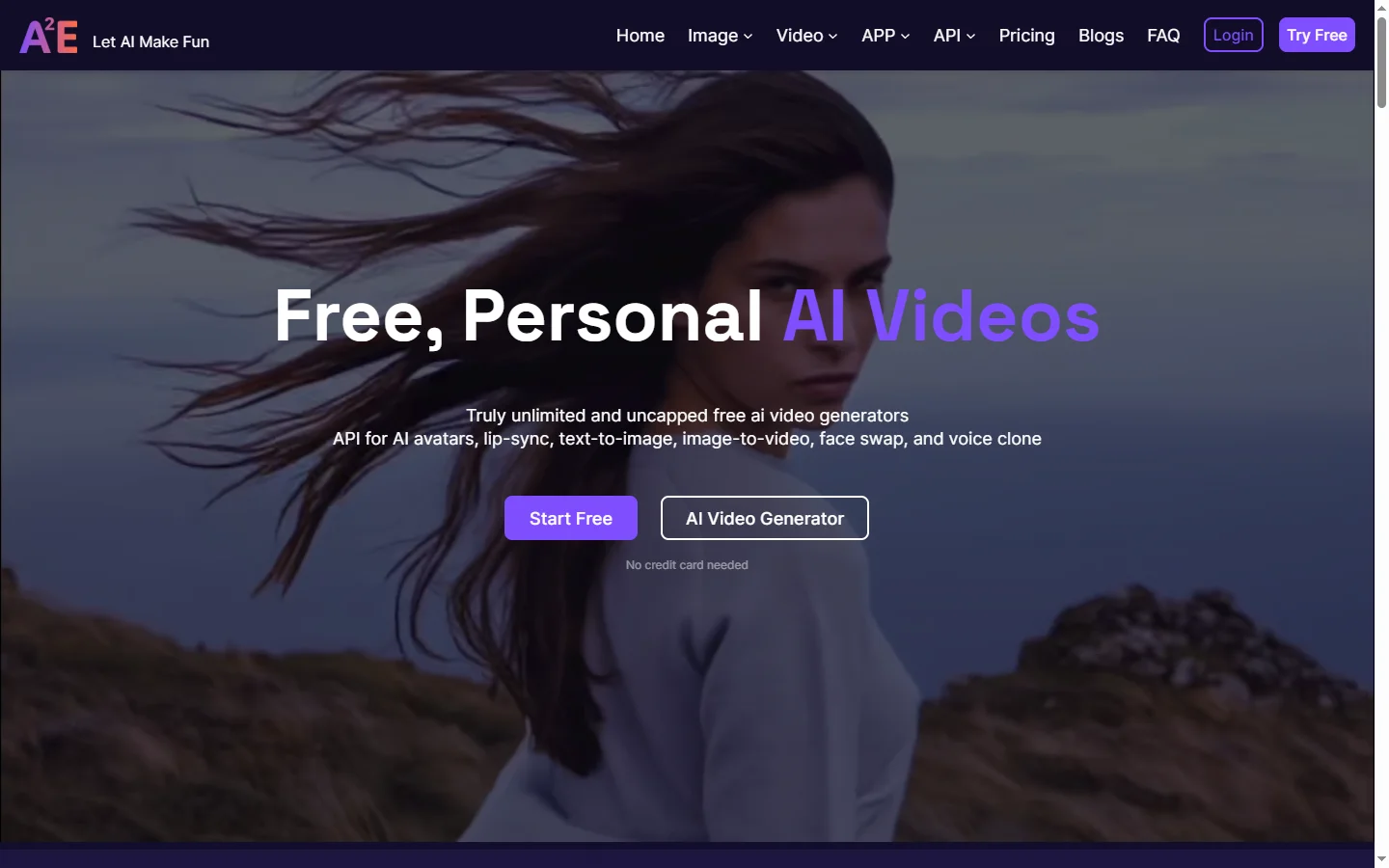
A2E AI productivity platform converts audio and video recordings into transcripts, summaries, and action items with speaker identification.

Abnormal AI
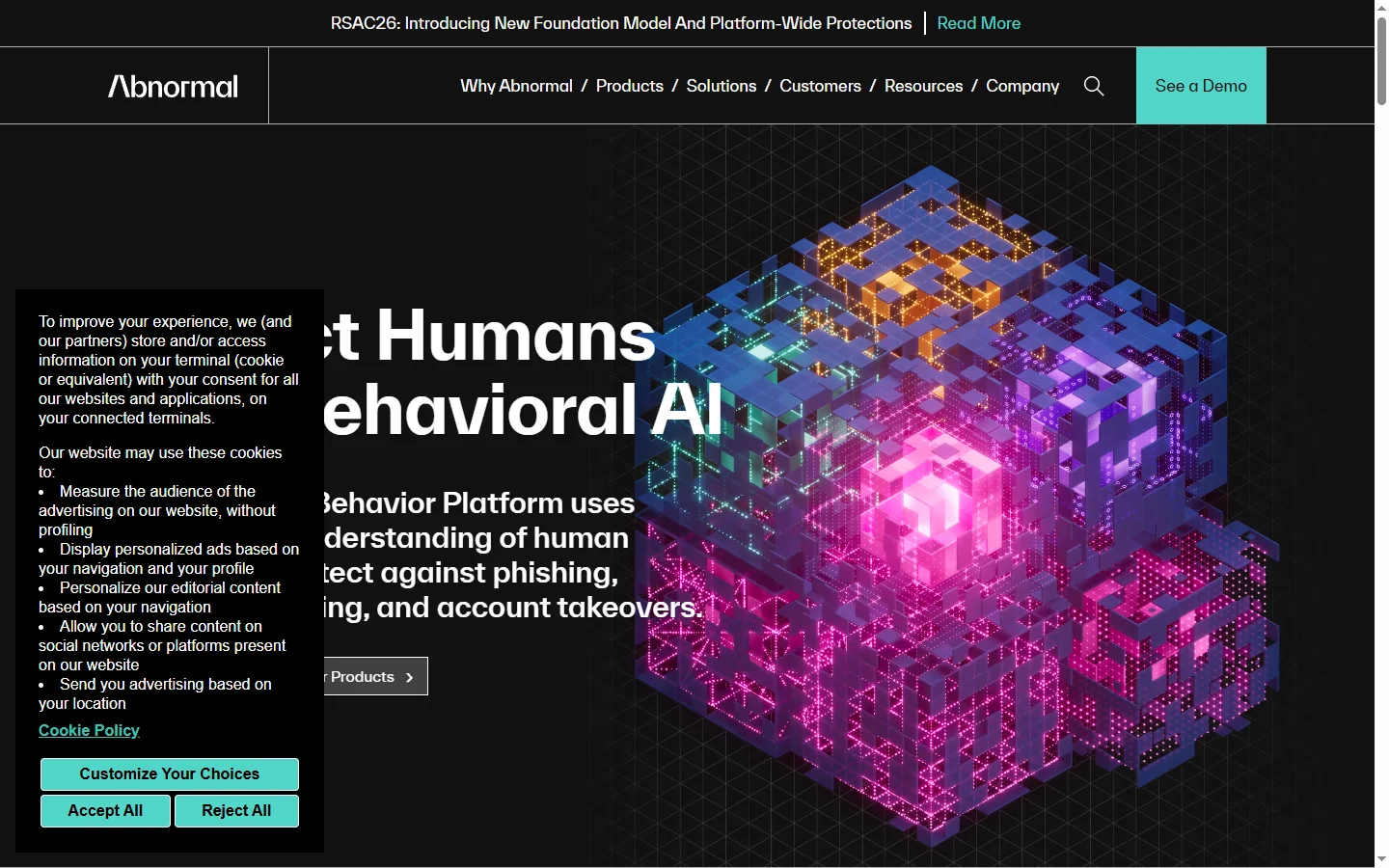
Abnormal AI uses behavioral AI to detect business email compromise, account takeover, and socially engineered phishing that bypasses secure email gateways.

Abridge AI
Abridge AI medical documentation platform that records and summarizes clinical conversations into structured physician notes in real time.

Air AI
Air AI conducts autonomous full-length AI phone calls for sales prospecting, appointment setting, and customer service without human agents.