
Palladyne AI
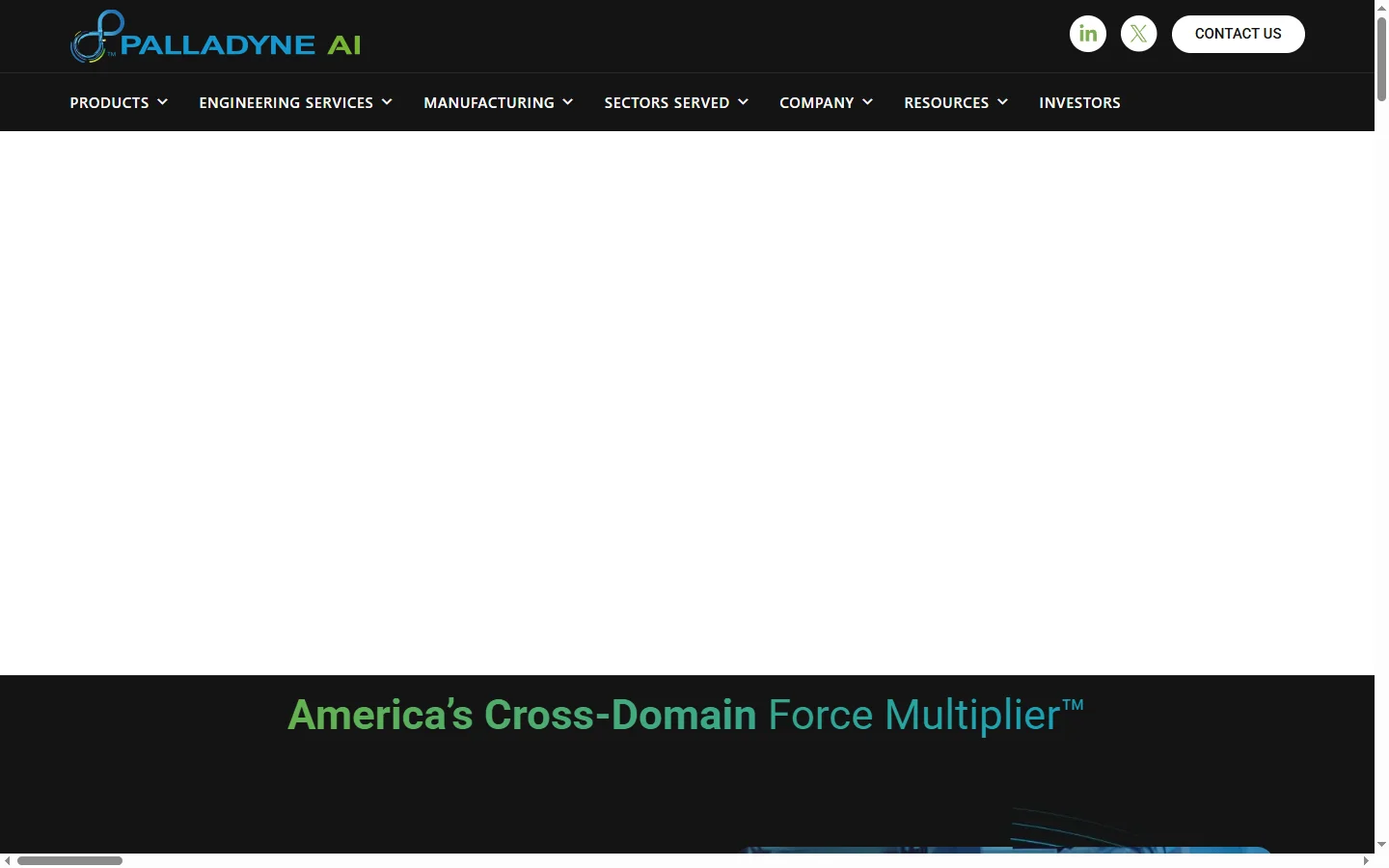
Paid ✓ VerifiedPalladyne AI is an enterprise AI platform for deploying autonomous AI agents that coordinate multi-robot and multi-system operations in complex physical environments.
📋 About Palladyne AI
Palladyne AI (formerly Sarcos Technology and Robotics Corporation) is an enterprise AI software platform focused on autonomous decision-making and coordination for complex physical operations. The platform enables AI agents to perceive, reason, and act across multi-robot systems, industrial equipment, and mixed human-machine environments without requiring constant human instruction at each step. Palladyne is positioned for industries where physical operations are too complex, hazardous, or fast-moving for purely manual control but where the consequences of incorrect autonomous decisions are significant enough to require robust AI governance and human oversight mechanisms.
The platform's core capability is enabling multiple autonomous agents to coordinate toward shared objectives in dynamic environments — a warehouse where robot tasks and priorities shift based on real-time inventory needs, a field operation where autonomous vehicles and human workers share the same space, or an inspection system where multiple sensor-equipped platforms cover a facility simultaneously. Palladyne AI handles the task allocation, conflict resolution, and replanning that keeps multi-agent systems operating coherently when conditions change.
Palladyne AI is sold to enterprise customers in defense, industrial automation, and logistics through direct engagement. The platform is not a general-purpose AI tool or developer API but rather a purpose-built system for organizations deploying physical autonomous systems at scale. Implementation involves integration with existing robotic hardware, sensor networks, and operational systems, typically with Palladyne's professional services team involved in the deployment process.
⚡ Key Features of Palladyne AI
Multi-Agent Task Coordination
Palladyne AI allocates tasks across multiple autonomous agents — robots, vehicles, or software systems — in real time based on current operational state, agent availability, and mission priorities, without requiring human operators to assign each subtask individually. When conditions change, the platform rebalances task assignments dynamically so the overall mission objective remains achievable even when individual agents are delayed or unavailable. Conflict resolution between competing agent requests is handled at the platform level rather than requiring manual arbitration. This coordination layer is what makes large-scale autonomous deployments operationally practical rather than requiring a human operator per agent.
Autonomous Decision-Making Under Uncertainty
The platform enables agents to make context-appropriate decisions when operating conditions deviate from planned parameters, drawing on sensor data, environmental models, and mission objectives to select actions without waiting for human instruction. Decision boundaries are configurable so organizations can define which decisions agents make autonomously and which require human confirmation, balancing operational speed against oversight requirements. Uncertainty is handled explicitly rather than defaulting to failure states — agents communicate low-confidence situations to operators rather than making poorly-grounded decisions without flagging them.
Human-Machine Teaming
Palladyne AI is designed for environments where humans and autonomous systems work in the same physical space or operational context, with interfaces and communication protocols that keep human operators appropriately informed without overwhelming them with system-level detail. Human operators can adjust mission priorities, intervene on specific agent decisions, and override automated task allocations through the command interface without disrupting the rest of the autonomous operation. The platform maintains situational awareness displays that give operators an accurate operational picture at the level of abstraction appropriate for their role.
Sensor Fusion and Environmental Awareness
Palladyne AI integrates data from multiple sensor types — cameras, LiDAR, radar, GPS, and operational data systems — to build and maintain a shared operational picture that all agents in the system can reference for context-aware decision-making. Sensor fusion is performed at the platform level so individual agents benefit from observations made by other agents in the network rather than each operating from a local sensor view only. Environmental models are updated continuously as new sensor data arrives, so agent decisions reflect current rather than stale conditions.
Mission Planning and Objective Management
The platform includes mission planning tools that allow operators to define high-level objectives and constraints — area coverage requirements, time windows, asset priority rankings, exclusion zones — which the AI system then translates into agent-level task plans. Mission plans are treated as dynamic rather than fixed: as conditions change, the task plans are revised to keep the mission objective achievable within the updated constraints. Operators can inspect the current task plan at any time to understand what the system intends to do and why, supporting oversight without requiring constant manual supervision.
Audit and Accountability Logging
Palladyne AI maintains a time-stamped log of all agent decisions, task assignments, sensor observations, and human interventions that can be reviewed post-mission for accountability, investigation, and performance analysis. This audit capability is important in defense and industrial contexts where the traceability of autonomous system decisions may be required for regulatory compliance, incident investigation, or operational review. Logs capture both what the system decided and the sensor and mission state that informed each decision, providing full decision context rather than action records alone.
🎯 Use Cases for Palladyne AI
⚖️ Palladyne AI Pros & Cons
Advantages
- ✓Multi-agent coordination handles task allocation and conflict resolution at scale without per-agent human oversight
- ✓Configurable autonomy boundaries allow organizations to define which decisions require human confirmation based on risk tolerance
- ✓Human-machine teaming interfaces are designed for operators managing multiple autonomous assets simultaneously
- ✓Audit and accountability logging provides full decision traceability for regulated industries and incident investigation
Drawbacks
- ✗Enterprise-only with no self-service access — requires direct sales engagement and professional services involvement for implementation
- ✗Integration with existing robotic hardware and sensor networks requires significant deployment effort
- ✗Not applicable to software-only productivity use cases — the platform is specifically designed for physical autonomous system deployments
- ✗Implementation timelines for complex multi-robot deployments are measured in months, not days
📖 How to Use Palladyne AI
Contact Palladyne AI's enterprise sales team to discuss your operational environment, robot fleet composition, and mission objectives.
Engage the professional services team for a deployment scoping assessment that covers sensor integration, network architecture, and human-machine interface requirements.
Configure mission objectives, agent constraints, autonomy boundaries, and human confirmation thresholds for your specific operational context.
Integrate the Palladyne AI platform with your robotic hardware, sensor networks, and existing operational systems through the provided integration layer.
Run simulation and testing phases to validate multi-agent coordination behavior before live deployment in the operational environment.
Deploy with operator training for the mission planning, situational awareness, and intervention interfaces relevant to your team's oversight role.
❓ Palladyne AI FAQ
Palladyne AI is used to coordinate multiple autonomous robots and systems in complex physical operations, enabling them to work toward shared mission objectives without requiring a human operator to manage each agent individually. It is deployed in defense, industrial automation, and logistics environments.
Palladyne AI was formerly part of Sarcos Technology and Robotics Corporation. The AI software platform was rebranded as Palladyne AI to focus specifically on the autonomous agent coordination and decision-making software capabilities rather than the robotic hardware products.
Palladyne AI serves defense, industrial automation, logistics, energy, and infrastructure inspection sectors where multi-robot or multi-system autonomous coordination is operationally necessary and where the consequences of autonomous decision failures are significant enough to require robust AI governance.
Palladyne AI includes configurable autonomy boundaries that define which decisions agents make independently and which require human confirmation. Operators maintain oversight through situational awareness displays and can intervene on specific agent decisions without disrupting the broader autonomous operation. All decisions are logged for post-mission review.
Related to Palladyne AI
Comma AI
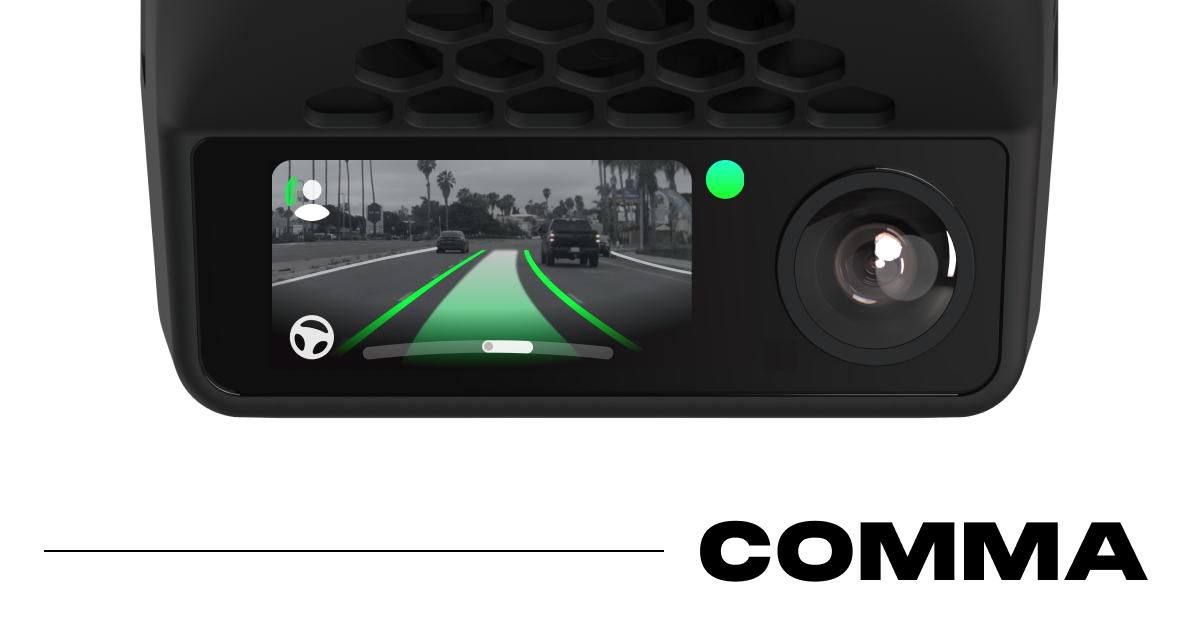
Comma AI open-source driver assistance system using the comma 3X device to add semi-autonomous lane centering and cruise control to compatible cars.

Field AI
Field AI builds autonomous mobile robots for industrial and infrastructure environments that operate reliably in unstructured, GPS-denied settings.
Featured on WhatIf.ai
Add this badge to your website to show you're listed on WhatIf AI
Alternatives to Palladyne AI

A2E AI
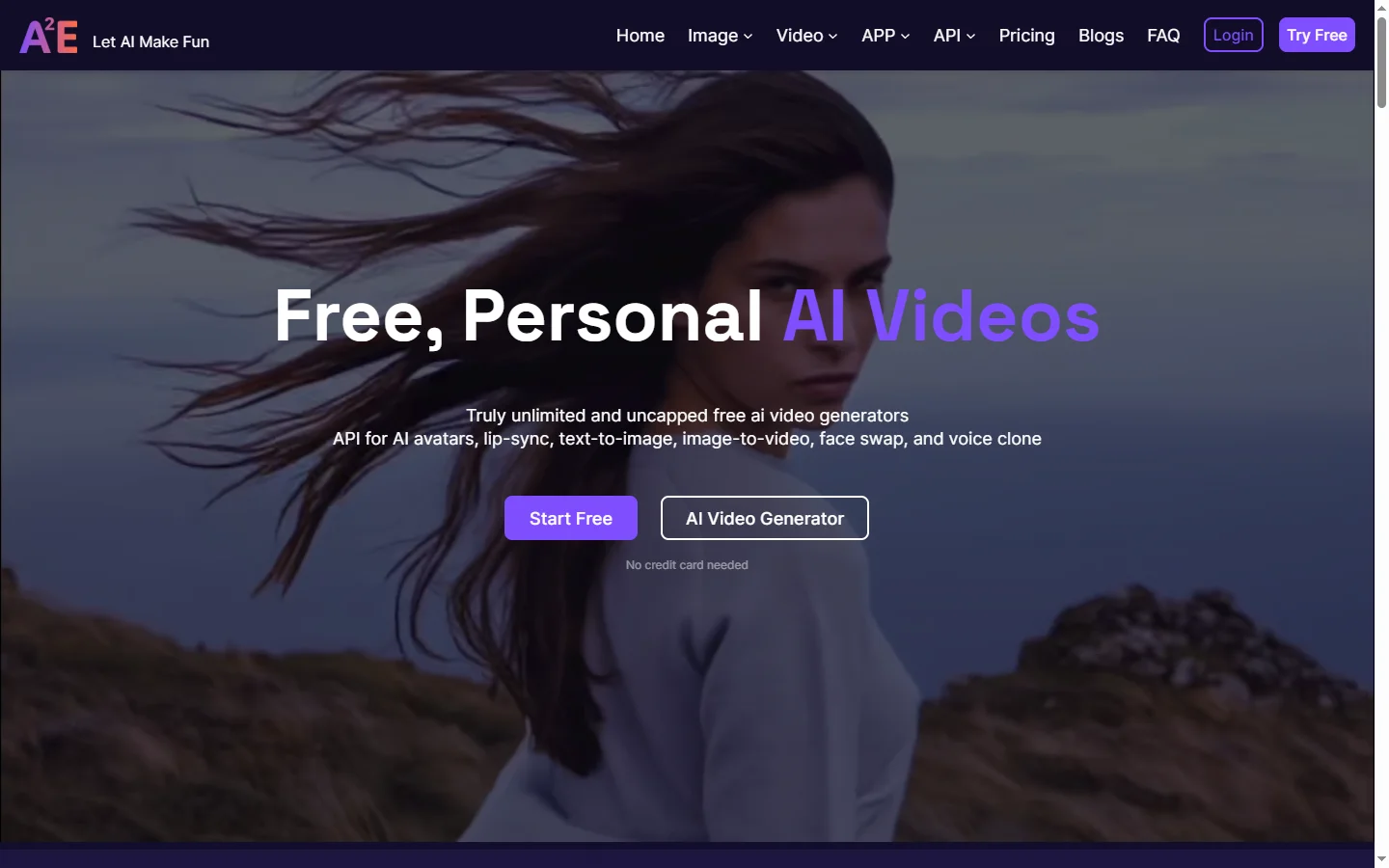
A2E AI productivity platform converts audio and video recordings into transcripts, summaries, and action items with speaker identification.

Abnormal AI
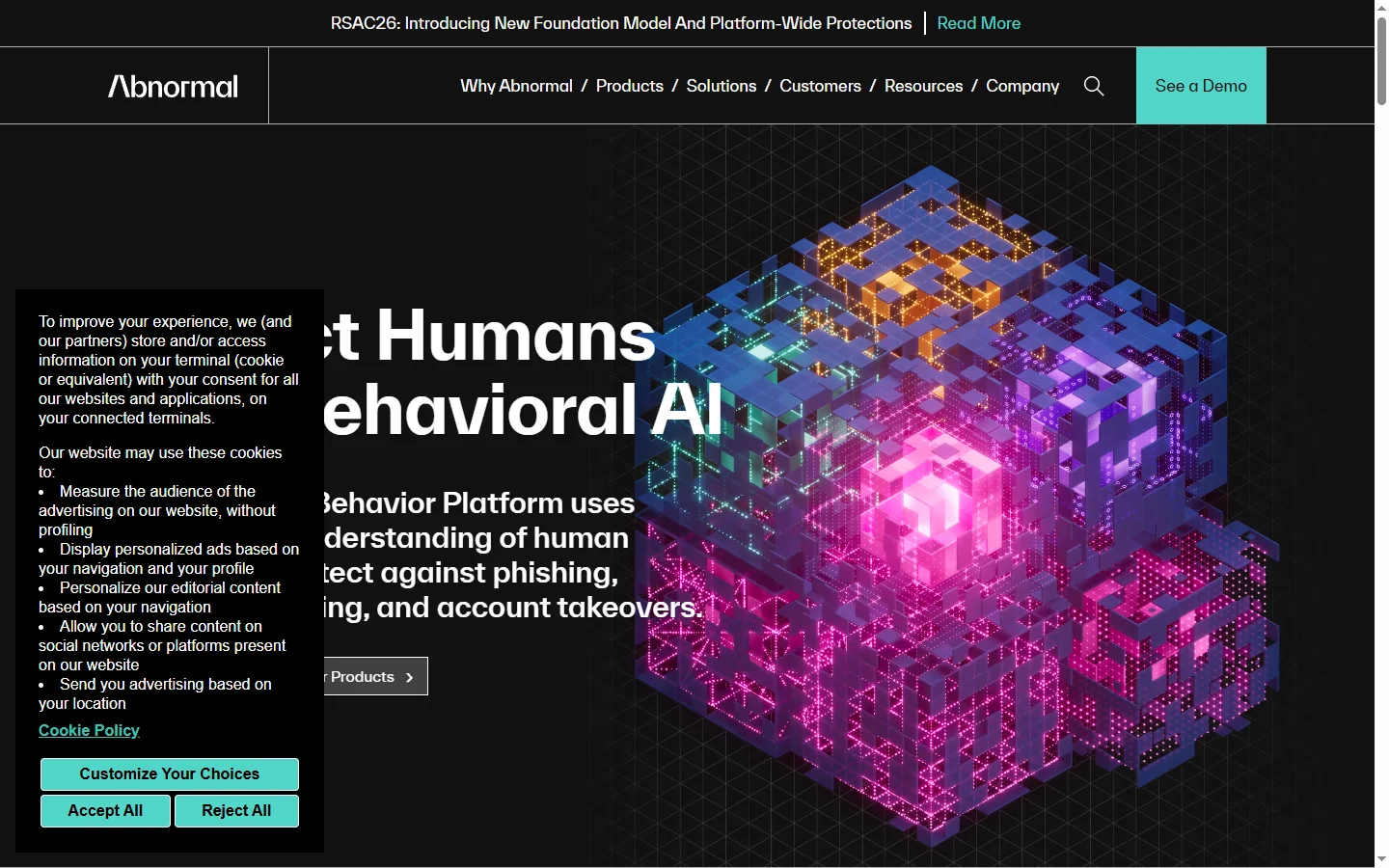
Abnormal AI uses behavioral AI to detect business email compromise, account takeover, and socially engineered phishing that bypasses secure email gateways.

Abridge AI
Abridge AI medical documentation platform that records and summarizes clinical conversations into structured physician notes in real time.

Air AI
Air AI conducts autonomous full-length AI phone calls for sales prospecting, appointment setting, and customer service without human agents.